Get The Ring Right
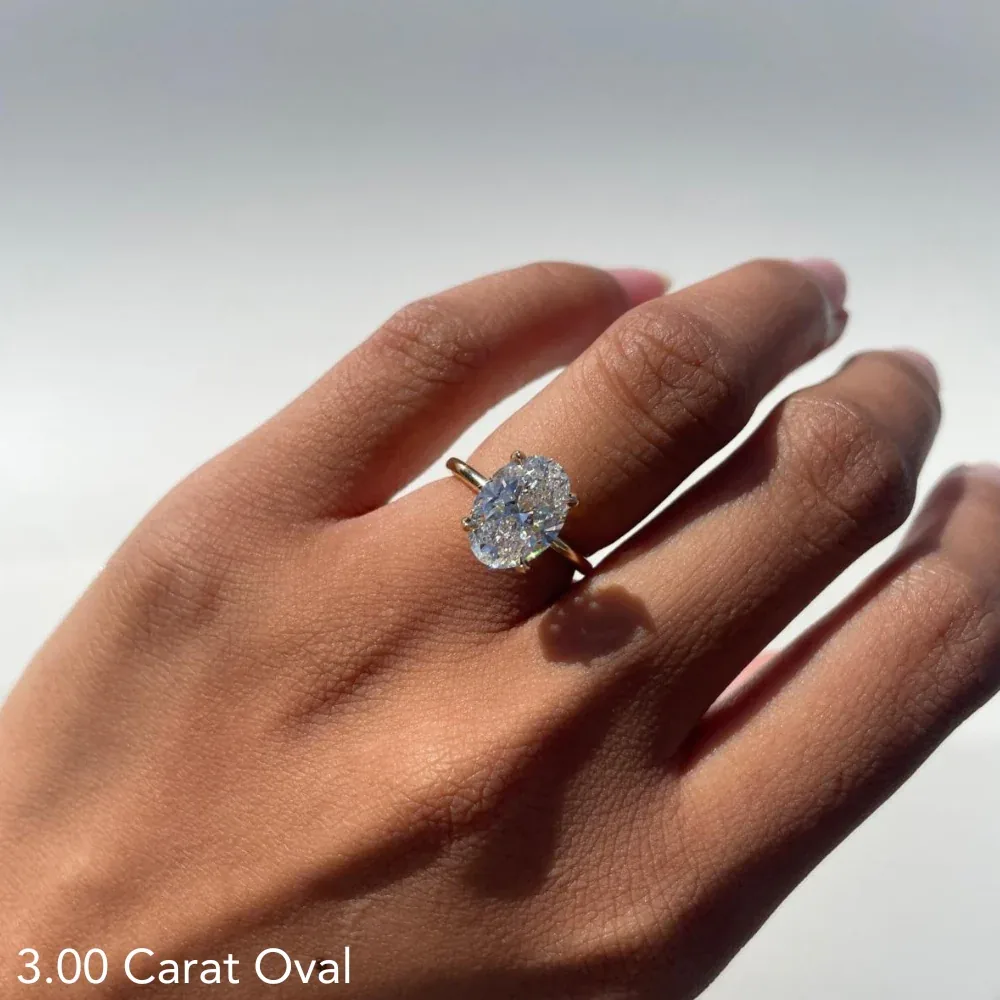
"Oval engagement ring" is only a starting point. Two oval rings can feel completely different because of their setting, metal, band, height, and surrounding stones.
1. Stone shape: the center outline
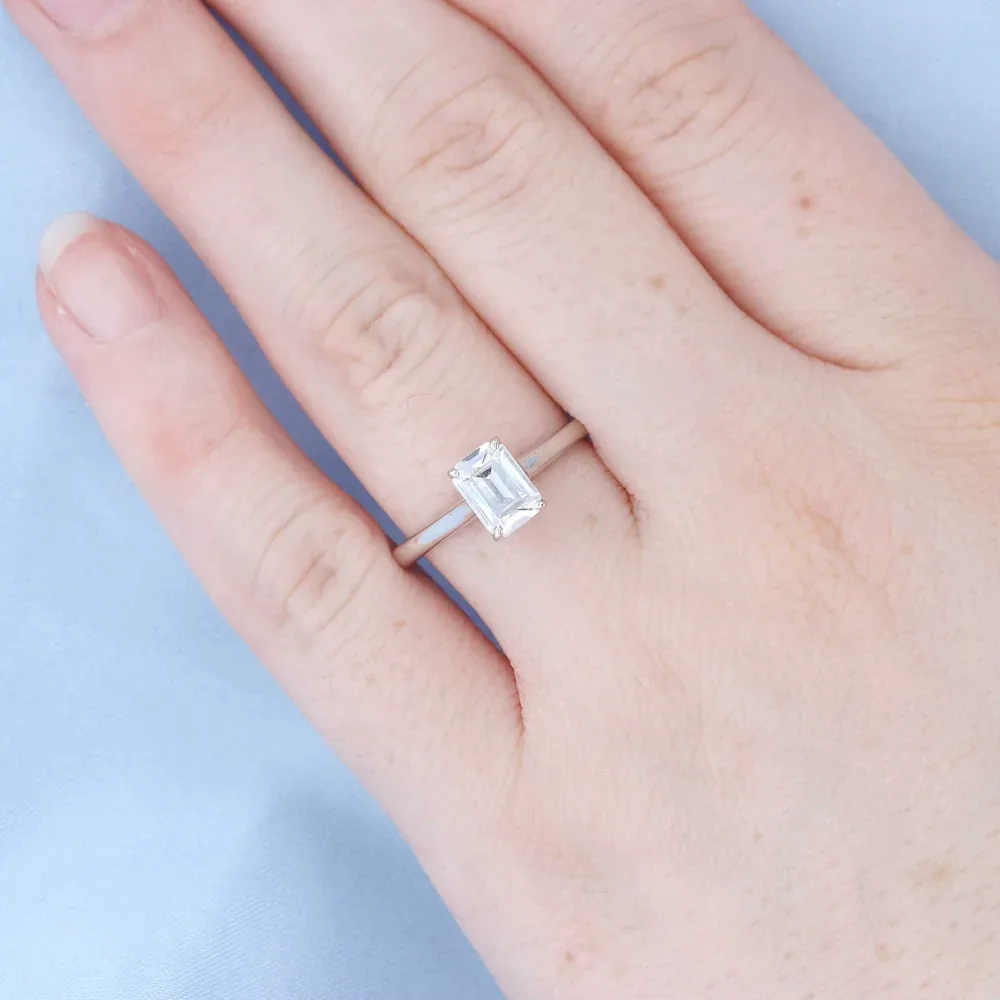
Round and oval shapes have curved outlines. Emerald and radiant shapes are rectangular with cut corners, but emerald cuts emphasize broad step-like reflections while radiant cuts produce a busier brilliant sparkle. Princess is square, cushion has softened corners, pear has one pointed end, and marquise has two.
Shape is not the same as cut quality, and it does not determine carat weight. A jeweler should confirm the center stone's measurements, proportions, and quality after the preferred outline is known.
2. Setting: how the ring presents and secures the center
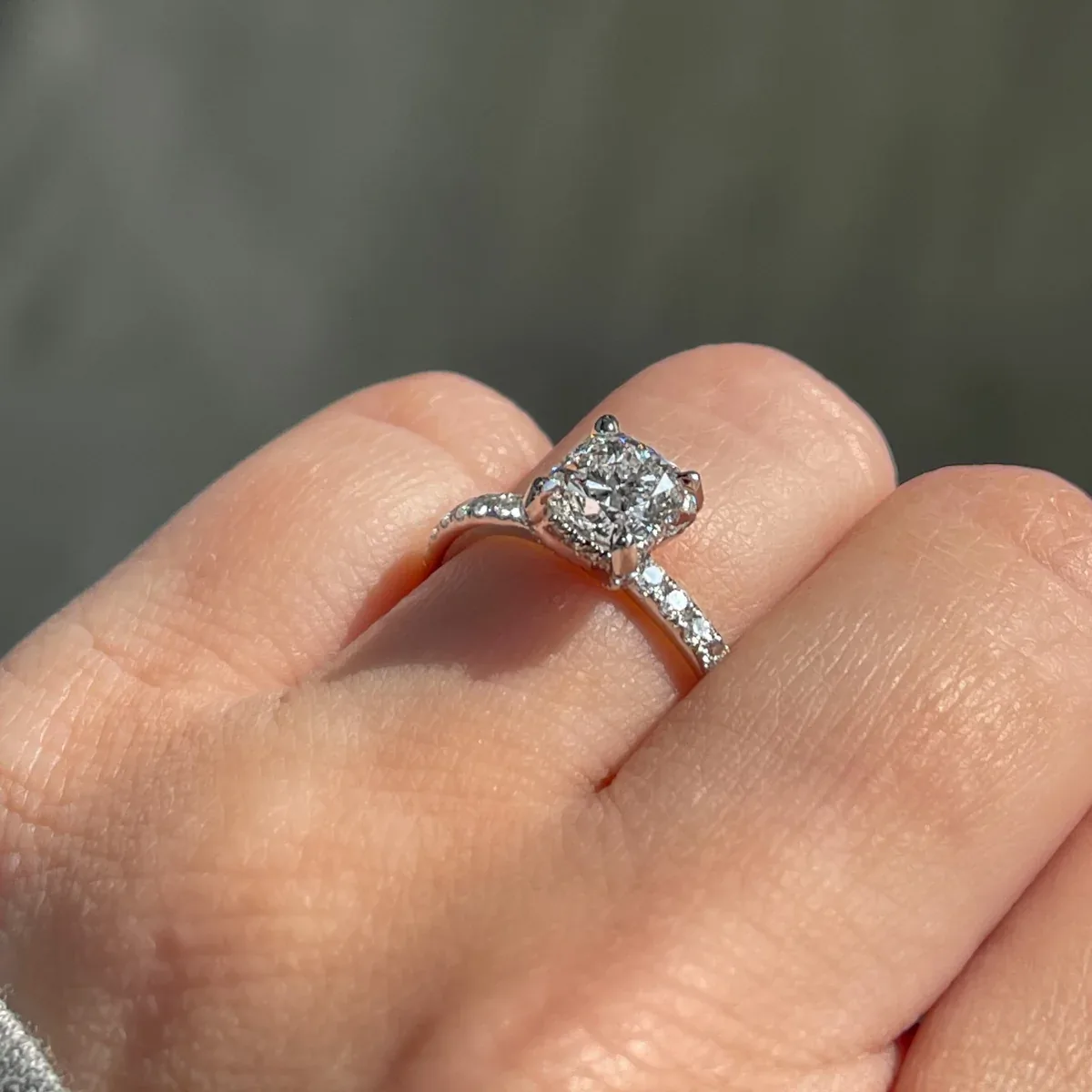
A prong solitaire keeps attention on one center stone. A bezel surrounds the edge in metal. A halo frames the center with smaller stones, while a hidden halo places that detail beneath the center so it is more visible from the side. Three-stone, cathedral, split-shank, and two-stone settings change both the face-up look and profile.
3. Metal: the visible color around the stone
Yellow gold reads warm, rose gold adds a pink tone, and white gold or platinum creates a white-metal appearance. Platinum and white gold are not interchangeable manufacturing specifications; a jeweler should explain durability, maintenance, alloy, and budget differences.
4. Band: what happens around the finger
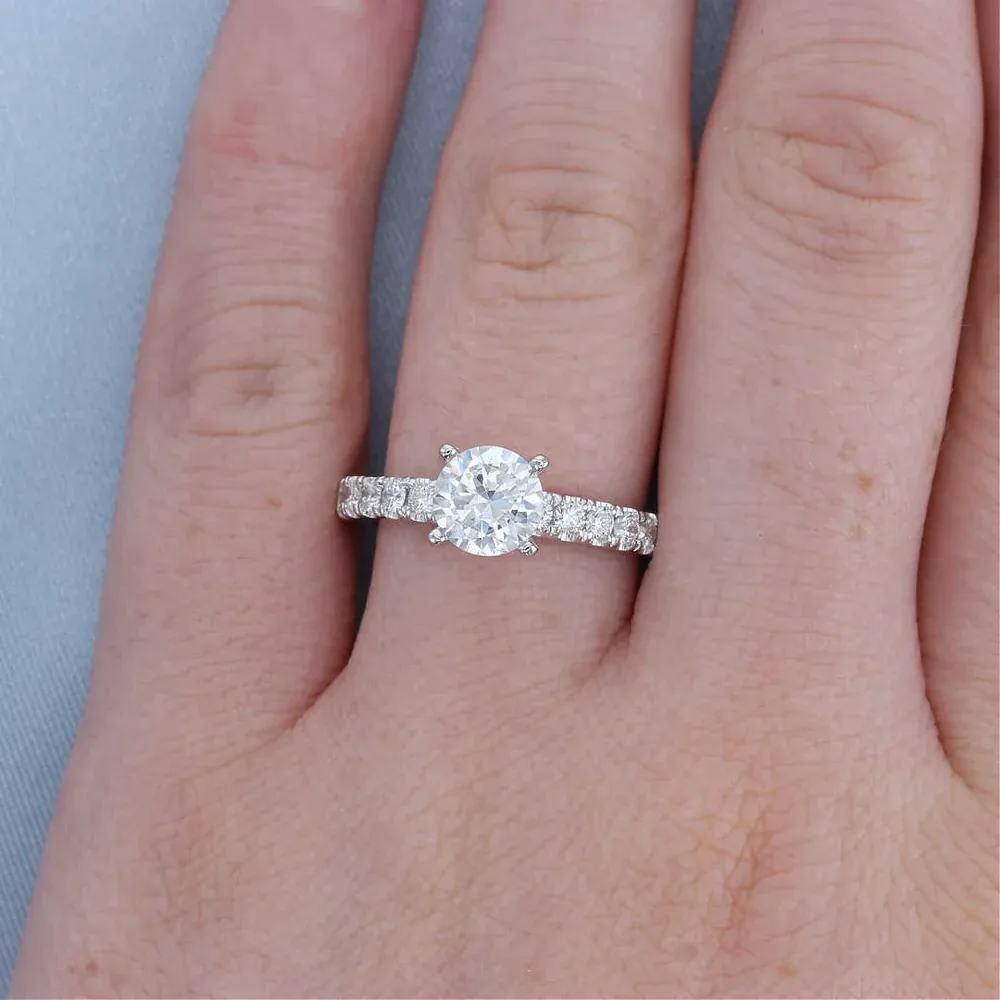
A plain band keeps the design quiet. Pave adds small diamonds along the band. Other visible treatments include channel-set stones, split bands, twists, tapered shoulders, knife edges, wide bands, and multiple rows. Band width and construction also affect comfort, durability, and wedding-band fit.
5. Profile: the overall visual character
Profile combines scale, height, ornament, and proportion. A minimal low-profile ring feels different from a raised cathedral or a detailed vintage design even when both use the same center shape. This is why a useful result should describe the ring as a coordinated whole.